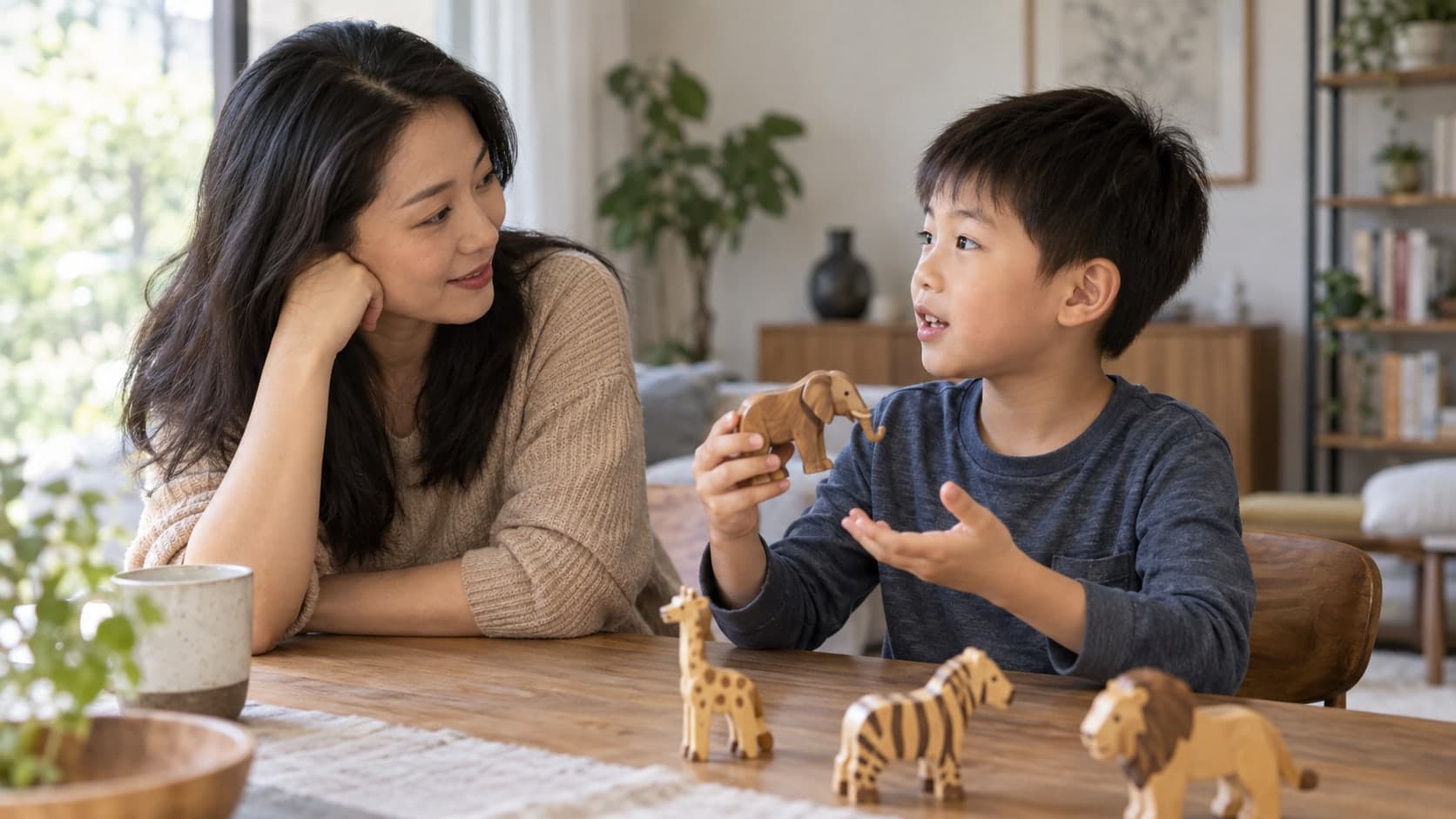
What If a Child Is Nervous Before Solo Recitation? Use a Pre-Performance Checklist for Voice, Eye Line and Pauses
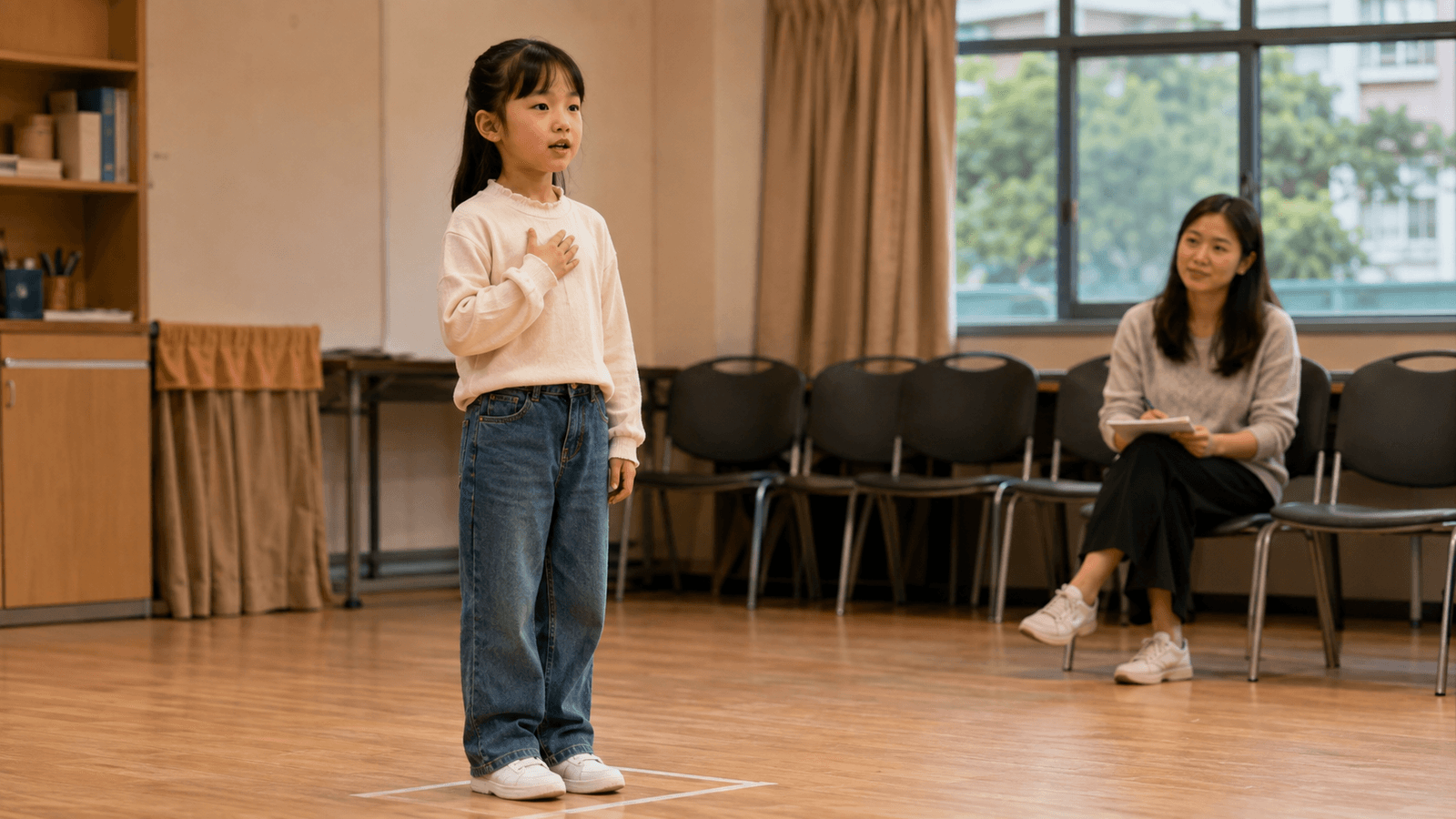
What if a child is nervous before solo recitation? Find the stage at which nerves appear instead of calling every silence shyness
It is not unusual for a child who recites smoothly at home to rush after standing up, entering an unfamiliar room or hearing “begin”. This does not automatically mean that the child is unprepared: some do not know where to stand, some forget to breathe before the first line, some are afraid to look up after an error, and some become increasingly stiff after repeated retakes. Hong Kong speech festival reporting, venue, dress, video and live requirements can change by category and cycle. Return to HKSMSA for every competition requirement; this article covers only expression and recovery routines that can be practised safely at home or in class.
What does the nervousness look like? Separate an unfamiliar setting, the first line, voice and fear of errors
| What a parent notices | Where the first block may be | A short task for next time |
|---|---|---|
| Before starting, the child repeatedly looks at the floor or for a parent | Uncertainty during entry, standing position or waiting in a different setting. | Practise only walking from a door to one fixed spot, standing still and looking at a forward point—without any lines. |
| The first line is rushed, quiet or completely blocked | Breathing, the first cue or attention immediately after starting. | Practise one breath, one beat of stillness and the first line only; stop after it is completed. |
| Even familiar lines get faster and faster | A wish to finish quickly after worrying about an error. | Add one pause at a line ending, then replay a ten- to twenty-second passage. |
| One wrong word ends the whole passage | Treating an error as a signal that everything must restart. | Agree on one recovery method in advance: pause for one beat, return to the next meaning unit or continue forward—without blame in the moment. |

Should you just tell a child to be braver? Pressure does not automatically become stage skill; short simulations leave useful evidence
Only asking the child not to be nervous
- Interpret one pause as not being brave or not trying hard enough.
- Restart the full piece every time, so the child remembers only pressure.
- Give many instructions at once, leaving the child unclear about what to do first.
Using recoverable short simulations
- Work on one item at a time: entry, first line, a line-ending pause or looking up.
- Agree in advance how to continue after an error, so an error does not mean the passage has failed.
- Record only one adjustable signal during review and test it in the next round.
How can practice feel closer to the performance? Use five short steps for voice, eye line, pauses and recovery
- 1
1 | Check current requirements first
Separate the expression routine that a family can practise from the arrangements decided officially; the signal is that the parent knows which regulation or notice must be checked again.
- 2
2 | Practise entry, standing and eye line
Walk from a doorway to a fixed position, stand still, then look at one forward point; the signal is that the child can complete this movement without speaking.
- 3
3 | Practise only the first line and one ending
Take one breath, say the first line and pause at an agreed ending; the signal is steadier pace, not necessarily a louder voice.
- 4
4 | Create one recoverable short passage
Let an adult cough once or let the child miss a word, then continue; the signal is that the child knows to pause briefly and return to the next meaning unit.
- 5
5 | Review and choose one next point only
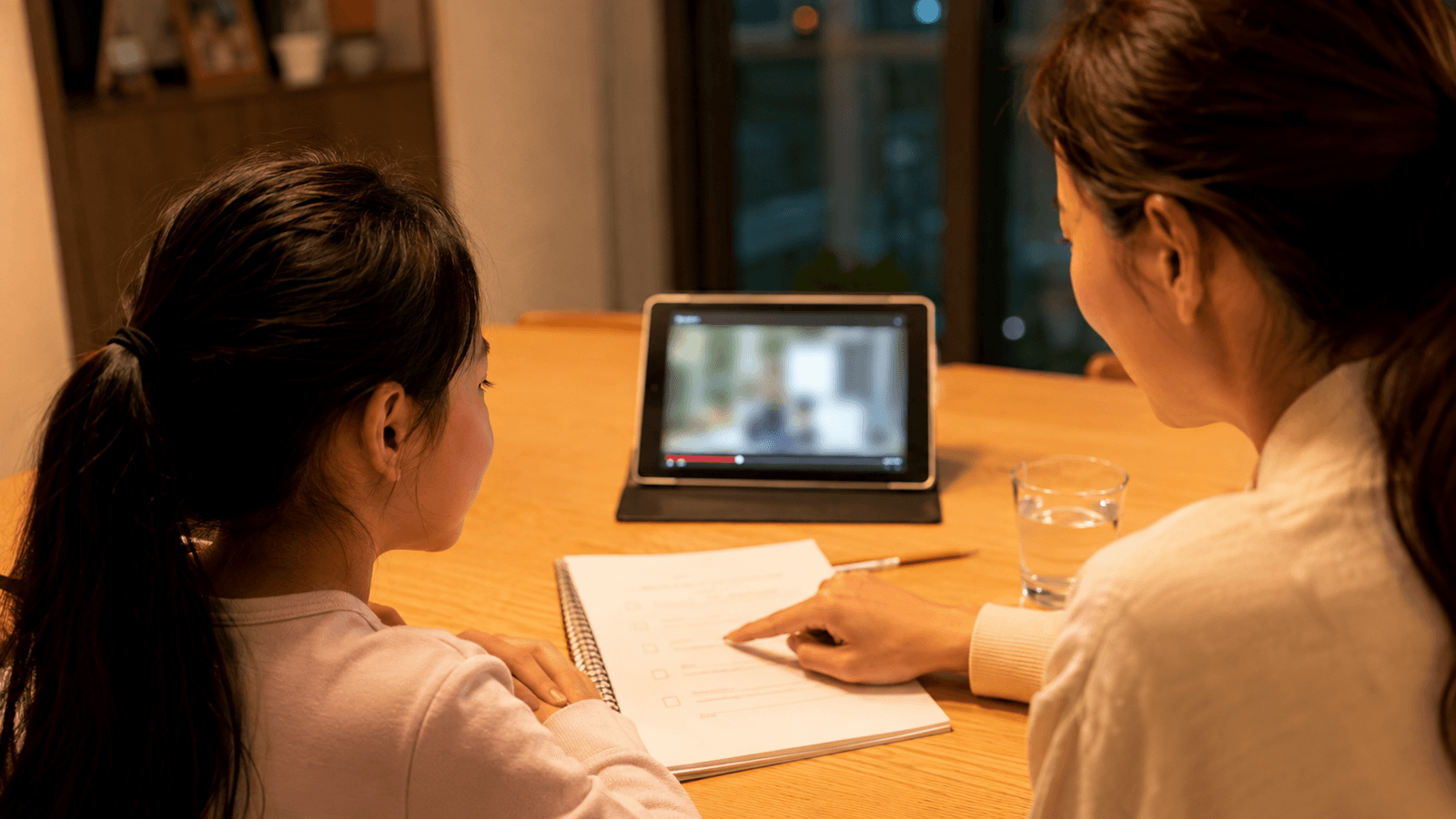
A video or observation note chooses one item—voice, eye line, pause or recovery; the signal is a specific, manageable target for the next practice.
What can be checked before the event? A Hong Kong family can use this solo-recitation list instead of guessing whether a child is confident enough
| Stage | What home or class can check | What must return to official information |
|---|---|---|
| Entry and standing | Whether the child can walk to a fixed place, stand still, relax shoulders and look ahead. | Actual reporting, venue, waiting and entry arrangements. |
| Voice and pauses | Whether the first line starts with a breath, a key ending can pause for one beat, and the later lines do not accelerate. | Any volume, equipment or format requirement. |
| Eye line and movement | Whether the child can select a natural forward point and use movement without interrupting breath or meaning. | Dress, props, movement or assessment-related requirements. |
| Recovery after an error | Whether the child knows to pause, return to the next meaning unit and continue rather than stop after one word. | Any procedural or rule-based handling during the competition. |
| Documents and timing | A parent can organise notices already received and the items a child needs to bring. | Final list, timing, documents and the latest regulations. |
When should a tutor reassess? When a child loses pace at the same point each time or parent prompts keep increasing
If a child understands the piece but rushes as soon as they stand, stops in every recording, or needs a parent to continually prompt posture, eye line and every word, a more useful next step is to let a tutor see a real short simulation. A tutor can separate incomplete understanding, unstable voice and pace, pressure caused by a changed setting, or a need for smaller recovery steps. The aim is to make the next practice achievable—not to promise that a child will never feel nervous or will win a prize.
Connect pre-performance nerves to Speech Festival preparation
Key points: a child does not need to eliminate nerves first; they need to know how to return to the piece through one small step
- Separate nerves into entry, standing, the first line, voice, eye line, pauses and recovery after an error before deciding what to practise.
- Short simulations, an agreed recovery method and one focus at a time make practice easier to review than repeated complete runs.
- Families can practise expression and recovery; competition procedures, dress, format and timing must follow current HKSMSA information.
- If increasing parent prompts still do not reveal the block, a tutor can use a real short simulation to find it.
Key takeaways
- Solo-recitation nerves are not only shyness; first find whether the block is at entry, the first line, pace or recovery after an error.
- Short simulations, agreed recovery and one review focus at a time make preparation more observable.
- Do not promise to eliminate nerves or predict an event result; keep current official requirements separate from home practice.
Frequently Asked Questions
- Q1Why is a child fluent at home but nervous when standing up?
- Home differs from standing, being watched or waiting for a start cue. See whether the child first gets stuck at entry, standing, the first line, voice speed or after an error. Practising one small stage at a time makes the cause easier to locate than immediately demanding a complete performance.
- Q2How many full run-throughs should a child do each day before the event?
- There is no fixed number that suits every child. Short practices can separately work on entry, the first line, a line-ending pause and recovery. The frequency of full simulations should depend on whether the child can still review and adjust, not on reaching a count.
- Q3Should a child restart immediately after one wrong word?
- Do not make every error a full restart. Practise one recovery option in advance, such as pausing briefly and moving to the next meaning unit. Any formal procedure during the competition must still follow current official rules.
- Q4Can a parent prompt eye line and movement from the side?
- A parent can record one observation after a short practice, but should avoid giving a stream of prompts during the recitation. Let the child complete the passage first, then discuss only one item: voice, eye line, pause or recovery.
- Q5Does stage fright mean a child is not suitable for a recitation competition?
- No. Nervousness is a reaction to observe and plan for, not a single ability label. Confirm eligibility and current requirements, then see whether the child can stand, say the first line and return to the piece in smaller simulation steps.
- Q6When should a family ask a recitation tutor for help?
- Consider a tutor when the child repeatedly stops at the same point, the family cannot distinguish understanding, pronunciation, pace and setting pressure, or prompts keep increasing without clarifying the next step. A real short simulation gives the tutor useful evidence.
Online language education in Hong Kong · 17 years of teaching
Written by the Jinghua Language academic team. Founded in 2009, our centre specialises in live one-to-one online language tuition for students aged 3 to 18, covering Mandarin Chinese, English, Spanish, public examination preparation and recitation training, with 38 teaching and coaching awards to date.
Meet the academic team and editorial standards →About Us →Awards & Honours →
Published 2026-09-04 · Updated 2026-09-04