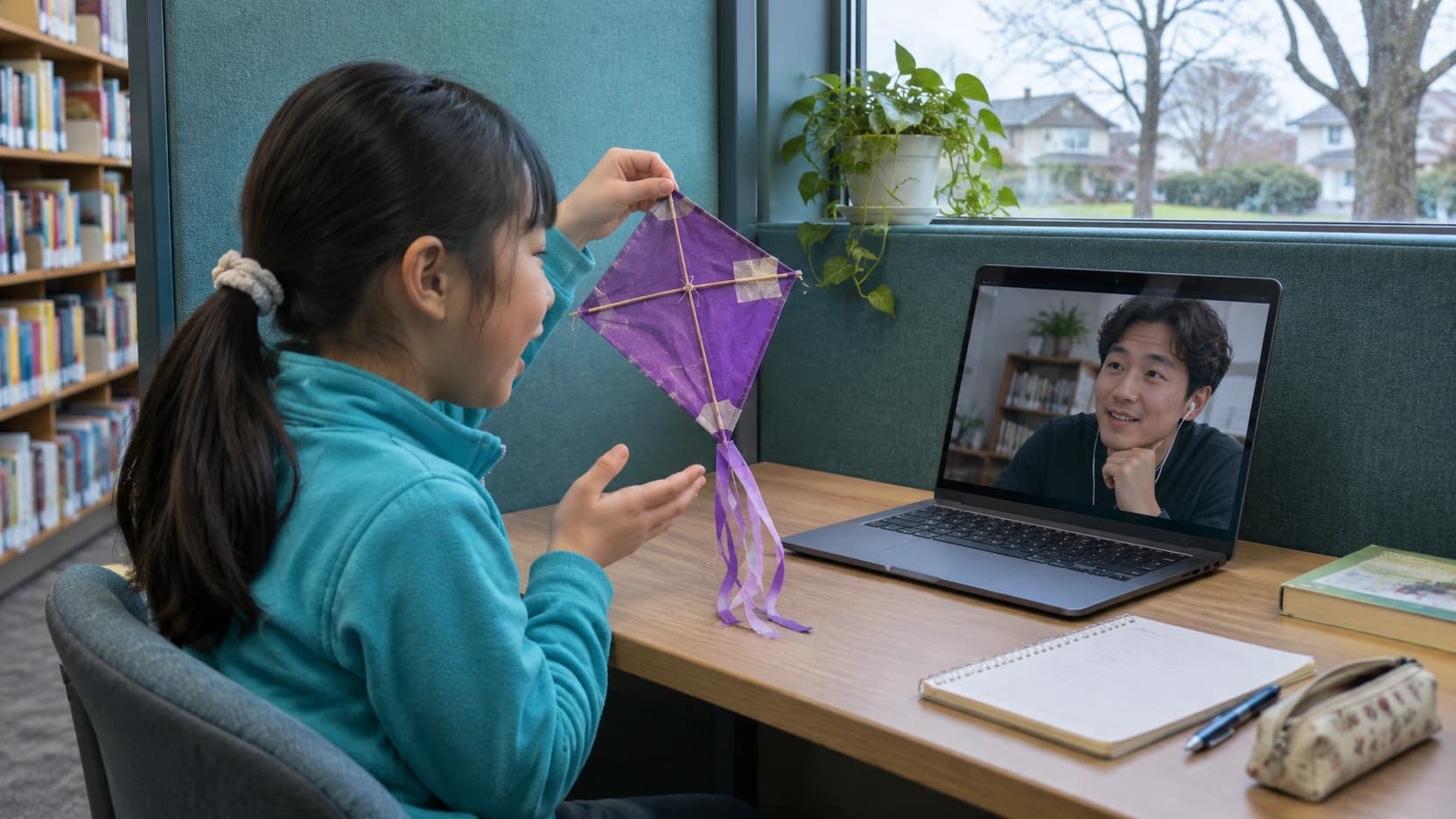
Helping a Teen Write an English Message for a Real Reader
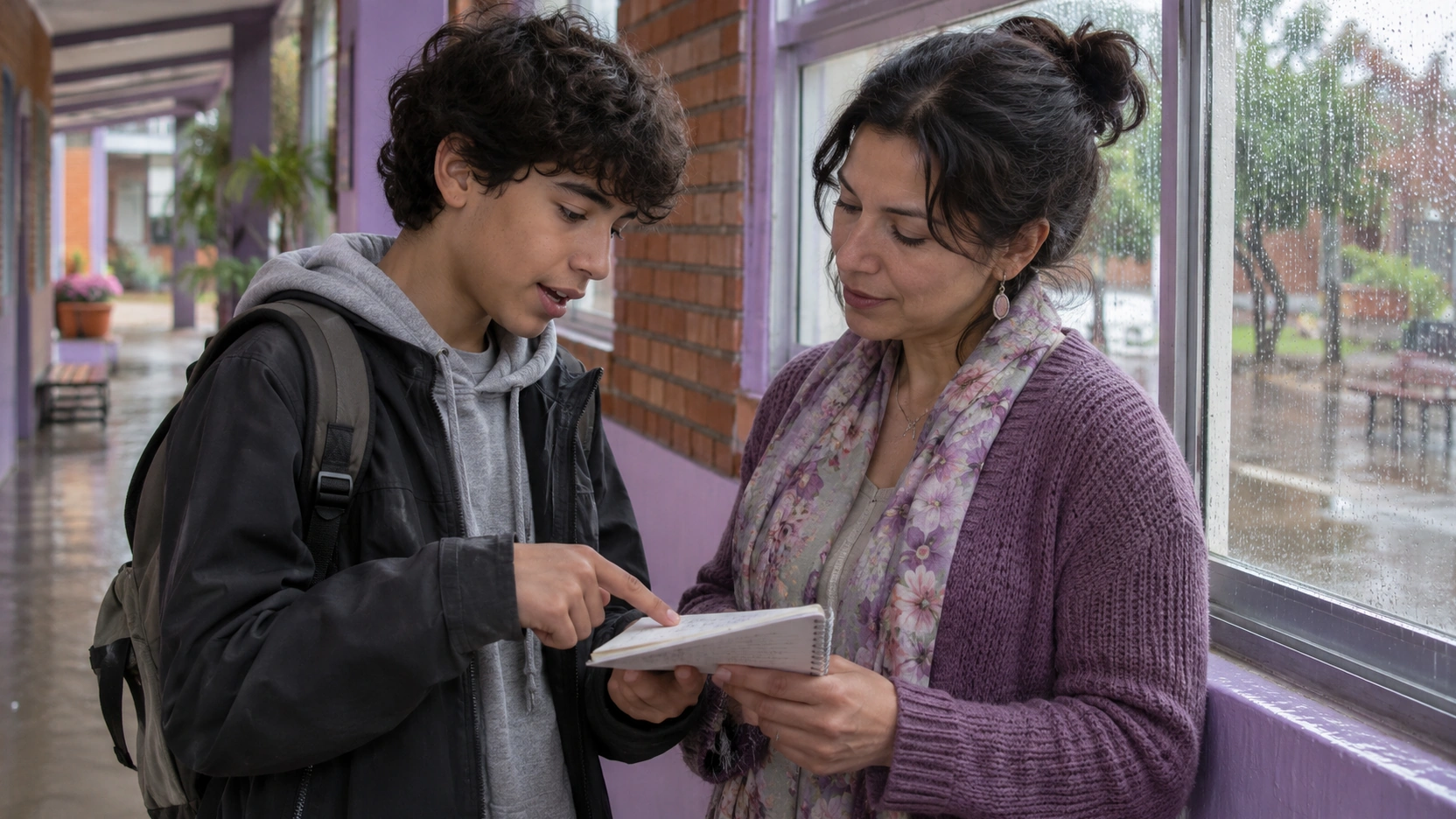
Why can a correct sentence still leave a friend unsure what to do?
Your teen wants a friend to help practise for a chess club activity and writes, 'See you on Saturday.' The friend knows the day but may not know where to meet or what to bring. When they ask a question, the draft has a clear place to improve. Let the writer choose what to add so you can see what they've understood.
For the first go, use paper, a made-up situation or a family member playing the reader. The reader can give a genuine reaction even when the place, people and arrangements are fictional. Pick a familiar activity your teen has something to say about. There is no need for complicated words or another app.
What does this reader need to know before I start writing?
| What the reader needs | A useful detail | What to leave out or keep private |
|---|---|---|
| Why they got the message | An invitation to practise chess or a request to check one thing | Background that has no bearing on the invitation |
| How to take part | A day, a time and a meeting place both people recognise | Home address, school class or phone number |
| How to reply | Ask if they can come or whether they can bring one item | Several unrelated questions in the same message |

How can a one-line invitation become a message a friend can use?
These are two original drafts for the same fictional event. Read the first as the friend who wants to come, and ask for one piece of information you still need.
| Draft | What a reader might ask | What to look at again |
|---|---|---|
| Want to practise chess on Saturday? It’ll be fun. | What time and where? | The activity and day are clear. The time and place are missing. |
| Want to practise chess at the community room at 3 on Saturday afternoon? Could you bring a chess set? Let me know if you can come. | Which room do you mean? | If the reader hasn't been before, add an appropriate meeting clue agreed with the people involved. |
The sentences are finished
- Check the subject, verb and punctuation
- The writer may assume the reader already knows the background
The reader knows what to do
- They can say what they're invited to do and how to reply
- The writer adds one detail that answers the reader's question

How can we try the whole activity at home?
- 1
Choose a reader and a purpose
Ask your teen to name someone familiar and say one thing they want that person to do.
- 2
Pick two or three details
List the activity, time, place and how to reply. Circle the items this reader needs and does not already know.
- 3
Write a short draft in their own English
Start with words they can use. If they are stuck, let them explain the idea in a familiar language and then find a short way of saying it in English.
- 4
Ask a familiar reader for one question
Read the draft aloud or swap paper drafts at home. Have the reader say what they think the next step is. Let your teen change one detail and try the message again.
Look for four things: your teen can name their reader, identify a missing detail, change the draft after a question and see if the reader now knows what to do. If the time or place is still unclear, fix that line, then address grammar that could change the meaning. One message does not tell you everything about their writing.
Explore online English reading and writing
Key takeaways
- Before writing, say who will read it and what you want them to do.
- Use one genuine question from that reader to find the most useful missing detail.
- A paper draft and fictional details are enough for practice.
Frequently Asked Questions
- Q1Can my teen think it through in a familiar language first?
- Yes. They can explain the reader, purpose and details in a language they know well before choosing short English sentences for their own draft.
- Q2Should we fix the grammar or add missing information first?
- Check that the reader knows what to do. Then fix grammar or words that change the meaning. Other edits can wait for another round.
- Q3Do we need a messaging app or have to send the draft?
- No. Read it aloud or share it on paper with someone familiar. You can get the reader's reaction without opening an account, uploading anything or contacting strangers.
- Q4How can we protect my teen's privacy?
- Use fictional people and places. Leave out real names, addresses, school classes and contact details. Keep the example within the family.
- Q5Should I write for my teen if they only manage one sentence?
- Read the sentence as the intended reader and ask the one thing you most need to know. Let your teen add their own sentence. Offer a word if they need a starting point.
- Q6What can we bring to a conversation about English reading and writing?
- Use a short practice draft with personal details removed and explain which step felt hardest, such as picking information, connecting sentences or responding to a reader's question.
Online language education in Hong Kong · 17 years of teaching
Written by the Jinghua Language academic team. Founded in 2009, our centre specialises in live one-to-one online language tuition for students aged 3 to 18, covering Mandarin Chinese, English, Spanish, public examination preparation and recitation training, with 38 teaching and coaching awards to date.
Meet the academic team and editorial standards →About Us →Awards & Honours →
Published 2026-11-28 · Updated 2026-11-28