
HSK 3.0 Explained: What the New 9-Level System Means for Hong Kong Kids (2026)

What exactly changed in HSK 3.0?
The biggest shift is that the exam is now broader and has more levels. The old system (HSK 2.0) was six written levels — the version many Hong Kong parents know. HSK 3.0 expands to nine levels and evaluates handwriting and translation on top of listening, speaking, reading and writing, so it maps more closely onto real language use and to international frameworks.
| Item | Old HSK 2.0 | New HSK 3.0 |
|---|---|---|
| Levels | Six | Nine (Levels 1–6 + 7–9) |
| Handwriting | Loosely required | Required from elementary levels, with per-level character counts |
| Translation | Not assessed | Added at higher levels (interpretation & translation) |
| International mapping | Unclear vs CEFR | Aligns more closely with CEFR |
| Positioning | Proficiency certificate | Broader assessment of real language use |
How are the nine levels split, and where does my child fit?
The nine levels fall into two bands: Levels 1–6 run from beginner to upper-intermediate and suit most school-age children progressing step by step; Levels 7–9 are an advanced, academic and professional tier that most school admissions do not require. Which level to start from depends on your child's current listening, speaking, reading and character knowledge — not their age.
Why has handwriting become the key issue?
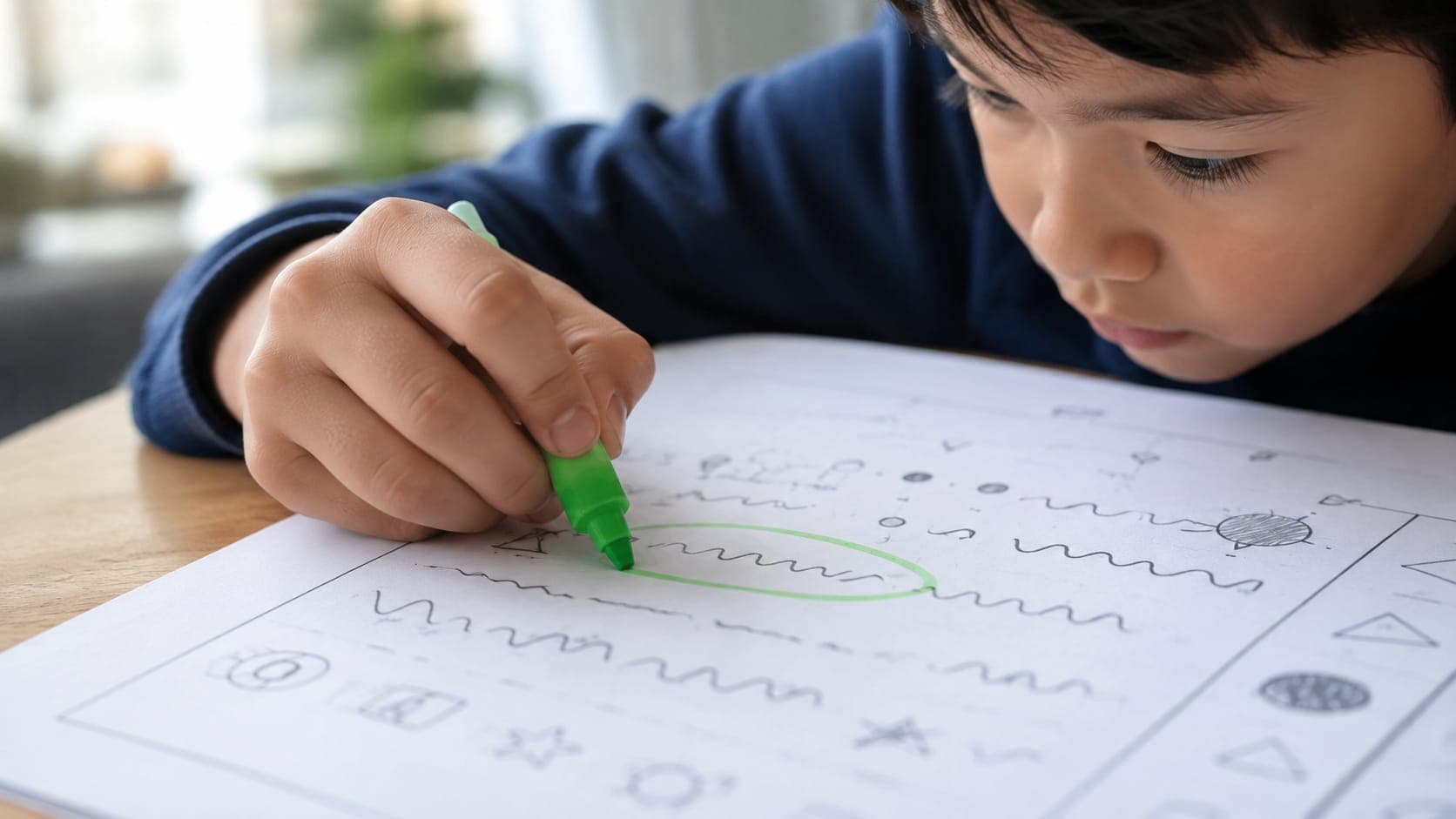
Many children who grow up in Hong Kong are used to typing pinyin and rarely write by hand — and that is exactly the gap HSK 3.0 targets. From the elementary levels the exam requires handwritten characters, with per-level character counts, so 'can type pinyin but cannot write' now costs marks directly. Rebuilding handwriting is the most easily overlooked — and most time-consuming — part of the switch.
How should Hong Kong kids prepare? Assess first, then choose a level
- 1
Assess level
A tutor gauges listening/speaking/reading and character count to place the child
- 2
Pick a start level
Choose one that is passable yet stretching — not by age
- 3
Patch weak spots
HK kids often need handwriting and pronunciation; advanced learners add translation
- 4
Plan the timeline
Work back from the target level, leaving time for handwriting practice
Don't fixate on HSK: GAPSK for local schooling, HSK for global recognition
HSK is the most widely recognised Chinese proficiency exam and suits overseas study or a general proof of ability; but if the goal is Hong Kong local schooling and interviews, the locally aligned GAPSK is usually a better fit. They are not a better-or-worse choice but different purposes — confirm your child's goal first, then decide which one to focus on.
Further reading & courses
Key takeaways
- HSK 3.0 moves from six to nine levels (1–6 plus 7–9) and is more comprehensive
- Handwriting is required from the elementary levels — typing pinyin only will lose marks
- Translation is added at higher levels, and the exam aligns more closely with CEFR
- Syllabus published Nov 2025, in effect July 2026; some details still pending
- Hong Kong kids should be assessed by a tutor before picking a start level — not by age
Frequently Asked Questions
- Q1Which HSK 3.0 level is 'enough'?
- It depends on the goal. Everyday use and school-age progression usually sit within Levels 1–6; Levels 7–9 target advanced academic and professional use and are typically not needed for general admissions. Have a tutor assess first.
- Q2Do old HSK results still count?
- Old results are generally still usable within their validity period, but new sittings follow HSK 3.0. If you plan to re-sit or move up, plan against the new system and check official notices.
- Q3My child only types pinyin and rarely handwrites — is that a problem?
- Yes, a big one. HSK 3.0 requires handwriting with per-level character counts from the elementary levels, so typing only will lose marks. Handwriting takes time to build, so start early.
- Q4Where can we sit it in Hong Kong, and what's the fee?
- Test centres and fees follow the latest official notice; some HSK 3.0 operational details are still being released, so check the official website before registering.
- Q5Do you offer HSK courses?
- Our Chinese exam-prep covers the HSK track. We assess the child's level first, then set a starting level and prep plan, with targeted work on handwriting and pronunciation — common weak spots for Hong Kong kids.
Sources
Online language education in Hong Kong · 17 years of teaching
Written by the Jinghua Language academic team. Founded in 2009, our centre specialises in live one-to-one online language tuition for students aged 3 to 18, covering Mandarin Chinese, English, Spanish, public examination preparation and recitation training, with 38 teaching and coaching awards to date.
Meet the academic team and editorial standards →About Us →Awards & Honours →
Published 2026-08-01